How Root Canals Prevent Permanent Tooth Loss
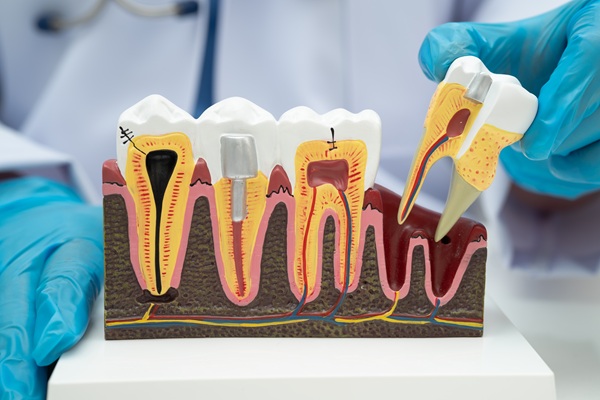
Facing a dental infection is a stressful experience. Fortunately, a root canal treatment offers a reliable way to achieve lasting relief. It is a common procedure that helps prevent permanent tooth loss, allowing you to keep your natural smile complete and healthy for a lifetime.
The cause of tooth infection and damage
When bacteria enter the soft center of a tooth, it causes inflammation and discomfort. This internal area contains the nerves and blood vessels that help the tooth grow. Unlike a small cavity that only affects the outer enamel, an internal infection does not heal on its own. If a dental professional does not intervene, the bacteria continue to multiply and eventually attack the surrounding jawbone.
This process can lead to an abscess, which is a painful pocket of infection at the base of the root. If the dentist does not remove diseased tissue, the tooth will gradually loosen and fall out. In some cases, the tooth may die, appearing gray or black.
What to expect during a root canal
A root canal procedure focuses on removing infected or inflamed pulp from inside the tooth. The dental team begins the appointment by administering a local anesthetic to ensure the area is completely numb and the patient remains comfortable throughout the procedure. Some dental practices also offer sedation options for patients who feel anxious about the procedure.
Once the patient is numb, the dentist creates a small opening in the crown to access the pulp chamber. Specialized instruments are used to remove bacteria and damaged tissue. They can then shape the inner canals and disinfect the space.
Once the canals are thoroughly cleaned and disinfected, the dental team fills them with a biocompatible material that seals the space and prevents reinfection. The tooth is then restored with a filling or crown to strengthen its structure and restore normal function.
How root canals prevent permanent tooth loss
Permanent tooth loss can result from infection destroying the pulp and weakening the surrounding bone. Each tooth helps support the ones around it and balances the forces when you chew. If a patient loses a tooth, it can cause other teeth to shift, leading to misalignment, bite issues, and bone loss in the jaw.
A root canal helps prevent these complications by preserving the natural tooth and reducing the need for complex procedures such as implants or bridges. Removing the infected tissue also stops the spread of bacteria and protects the soft tissue structures. A well-treated tooth can last many years, sometimes a lifetime, with proper care.
The long-term benefits of saving a natural tooth
Keeping the original tooth through a root canal is the ideal outcome because it maintains the natural alignment of the patient's mouth and prevents bone loss. Several long-term benefits of saving a natural tooth with a root canal include:
- Maintaining clear speech
- Supporting natural facial structure
- Efficient chewing and biting
- Reinforcing strength and function
- Limiting the spread of infection to other areas of the mouth
Addressing dental issues when they first arise reduces overall health risks and minimizes the likelihood of future complications. The patient can also avoid the need for more complex tooth replacement options later.
Learn more about root canal treatment at our office
Choosing a root canal is a smart investment in your future health and confidence. When you act quickly, you can avoid the pain and complications of losing a tooth. Call our Concord office today to learn more about root canal treatment or to schedule an appointment.
Request an appointment here: https://www.treatplazadental.com or call Treat Plaza Dental at (925) 633-4552 for an appointment in our Concord office.
Check out what others are saying about our dental services on Yelp: Root Canal in Concord, CA.
Related Posts
Finding out that you need a root canal can be nerve-racking. Caring for the treated tooth can be even more stressful. Knowing what to do after the treatment can help you prepare well for it. Here are some tips for a smooth and quick recovery after your root canal.The patient must wait to eat as…
Root canal therapy is a commonly performed dental treatment that is used to treat infection or swelling of the pulp tissues inside a tooth. A tooth’s pulp is the blood vessels and nerves in its innermost layer called the pulp chamber. It is sealed off from the rest of a tooth to protect its sensitive…
A broken tooth can happen at any time — during sports, while eating, or from an unexpected fall. Regardless of the cause, an emergency dentist can help. Through prompt treatment, these dental providers offer an effective way to relieve pain and protect oral health. An emergency dentist can also help prevent complications like infection, nerve…
Dental restoration can be used to rebuild and restore the function of damaged teeth. They can also be used to restore the aesthetics of damaged teeth. Tooth decay is one of the main reasons teeth become damaged, but other factors like trauma to the face or habits like nail biting or teeth grinding can lead…